| Michael: | Hallo, und willkommen zurück. |
| Jana: | Halli hallo! |
| Michael: | Jana, was ist das Thema heute? |
| Jana: | Bildung. |
| Michael: | Oh, interessant. Das Verb bilden heißt etwas formen. Wir formen unseren Geist. Und dann ist da das Wort Bild! Which implies an image… using our imagination. |
| Jana: | Genau, sich ein Bild machen bedeutet "to create a mental image." |
| Michael: | Ist das typisch Deutsch? |
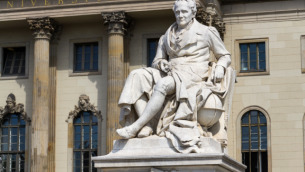
| Jana: | Ja, speziell die Bildungsidee ist ein humanistisches Ideal, welches von Herder, Wilhelm von Humboldt, Schiller, Goethe und Hegel definiert wurde. |
| Michael: | Große Namen! Okay, und die Grammatik? |
| Jana: | Heute ist der Dativ unser Thema. |
| Michael: | Oh, der Dativ ist kompliziert. Gibt es da wieder ein paar Abkürzungen? |
| Jana: | Michael, yes there are shortcuts but we should emphasize that this is very doable. |
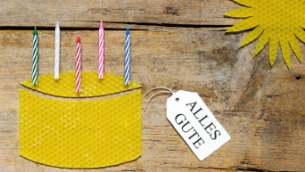
| Michael: | Natürlich! Kinderleicht. A piece of cake. |
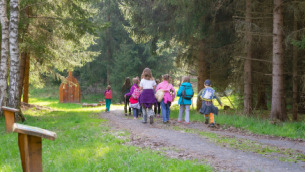
| Jana: | Hey, everyone loves cake, but you just reminded me that our word for children, Kinder, has been exported into the world. Wunderkind, Kindergarten, Waldkindergarten … |
| Michael: | Kinderschokolade! Oh and I have a great joke: No matter how kind you are, German children are kinder. |
| Jana: | Haha, kind heißt auf Deutsch lieb. Danke Michael! Okay, also hier ist ein Beispiel. Gisela gibt dem Kind ein Eis. |